Kutch Diaries
December 2022
A Journey Home: Kutch
Rann Utsav, artisan families, shared meals, and the lessons that can only be learned by spending time together.
This was more than a trip to Kutch. It was time spent returning to the people, places, and living traditions at the heart of Pehramni.
Kutch—the land of our ancestors
Kutch is the land of our ancestors, so this journey never felt like visiting somewhere unfamiliar. We attended our Kuldevi temple, enjoyed Kutchi food, and returned to sounds, tastes, and traditions that felt deeply our own.
What made the experience especially meaningful was that we were not made to feel like tourists. People spoke with us in Kutchi, conversations flowed naturally, and we felt the warmth of belonging. It reminded us that for our family, Kutch is not simply a destination—it is home carried across generations.
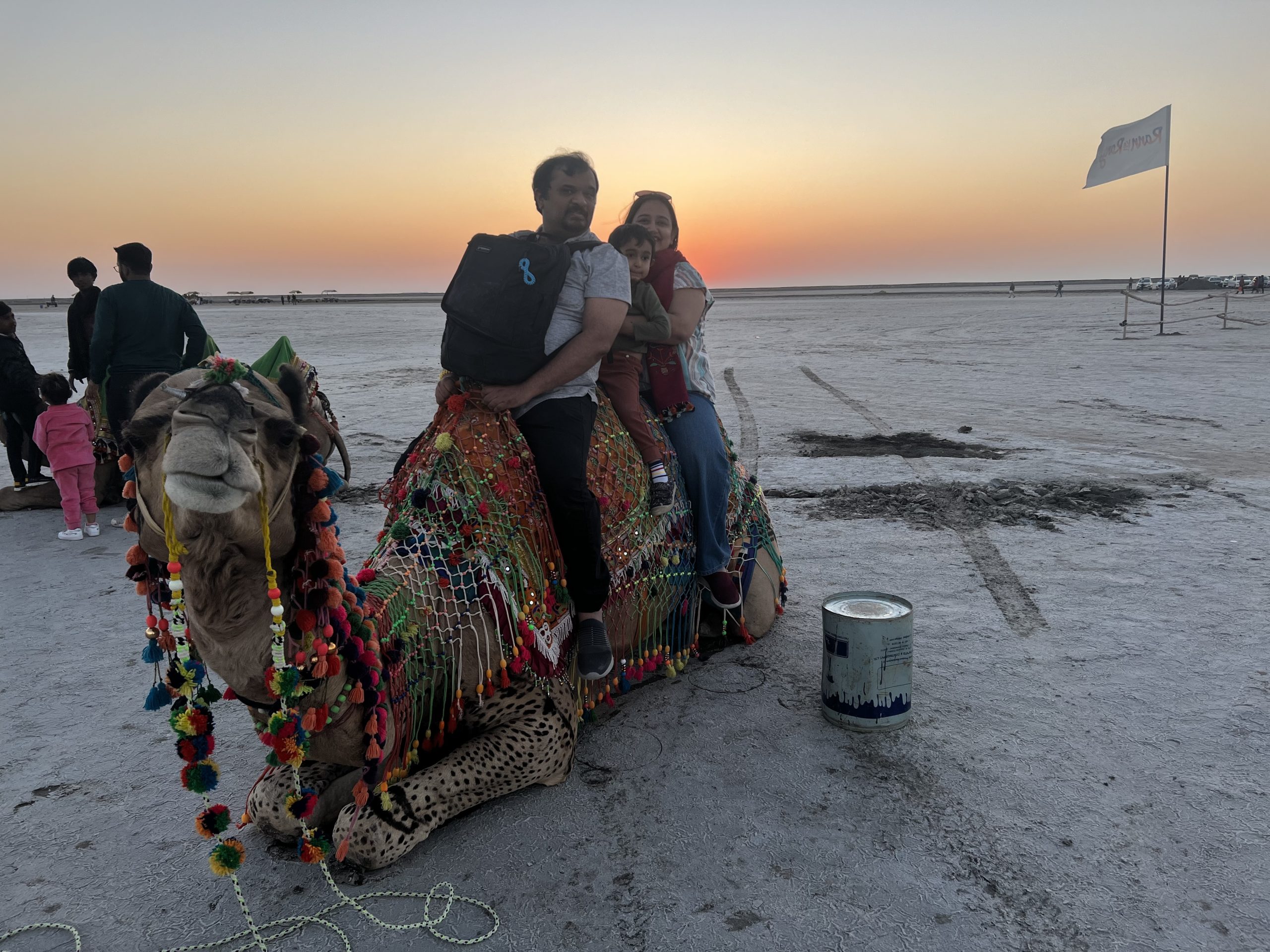
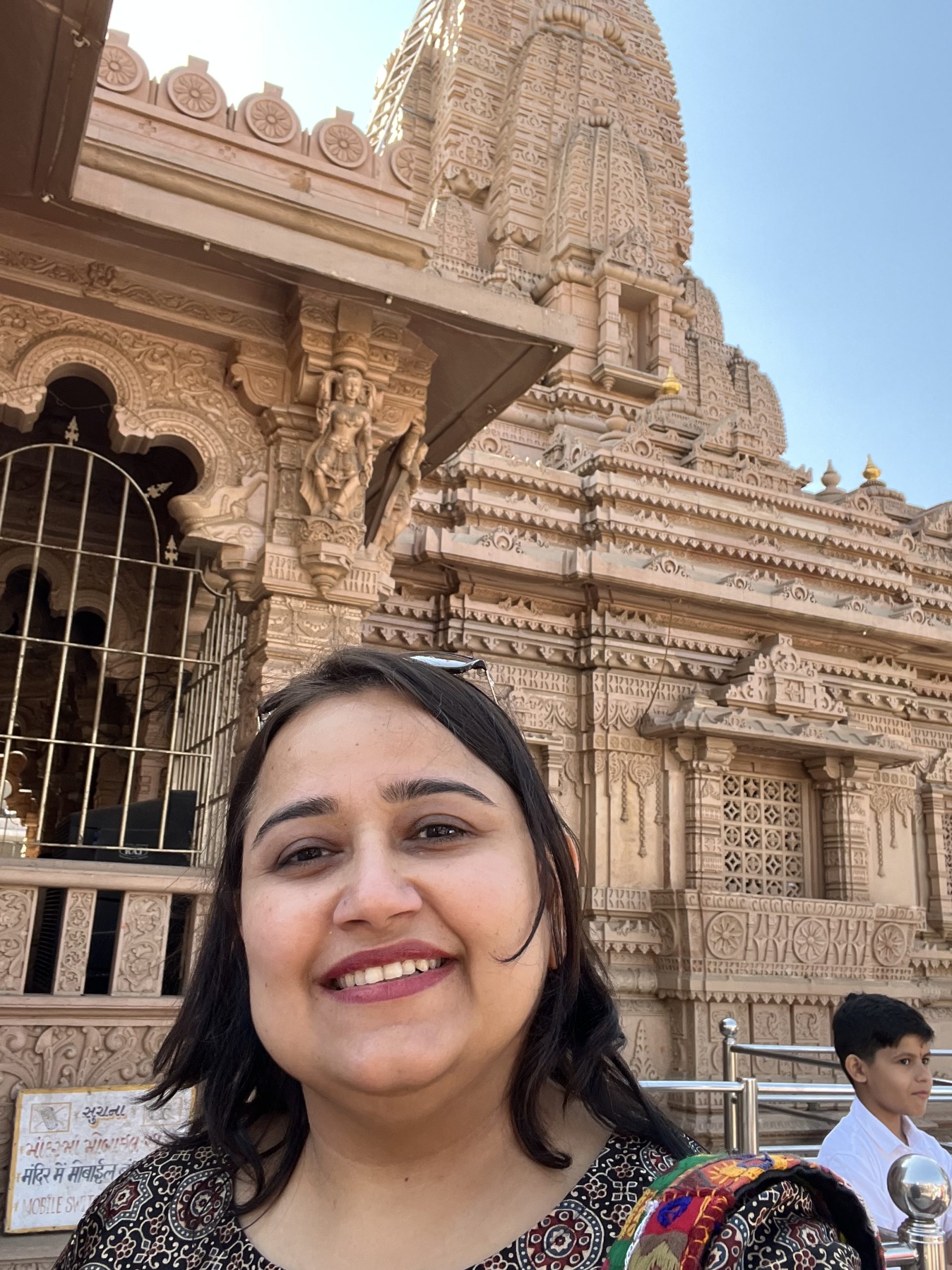
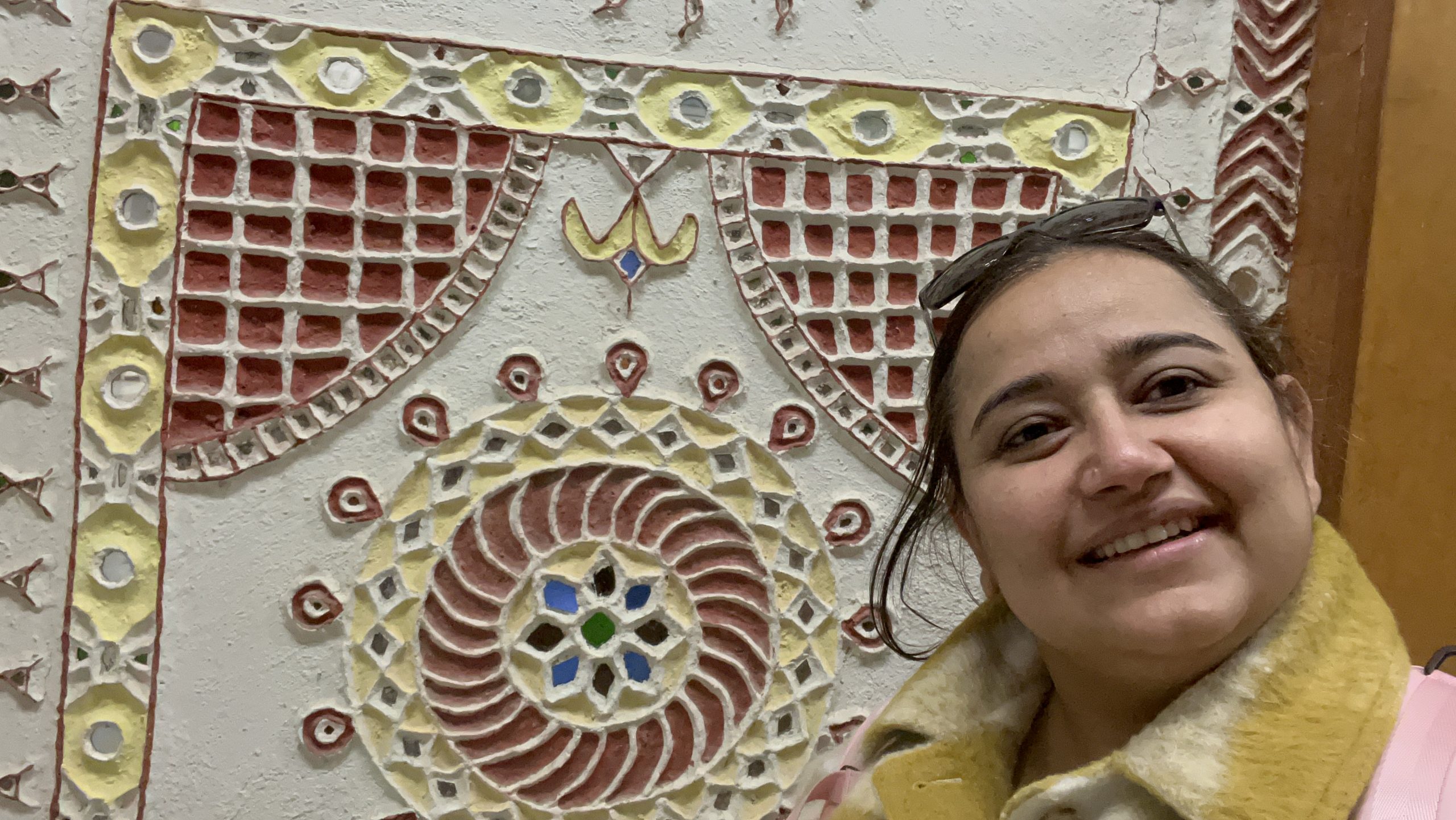
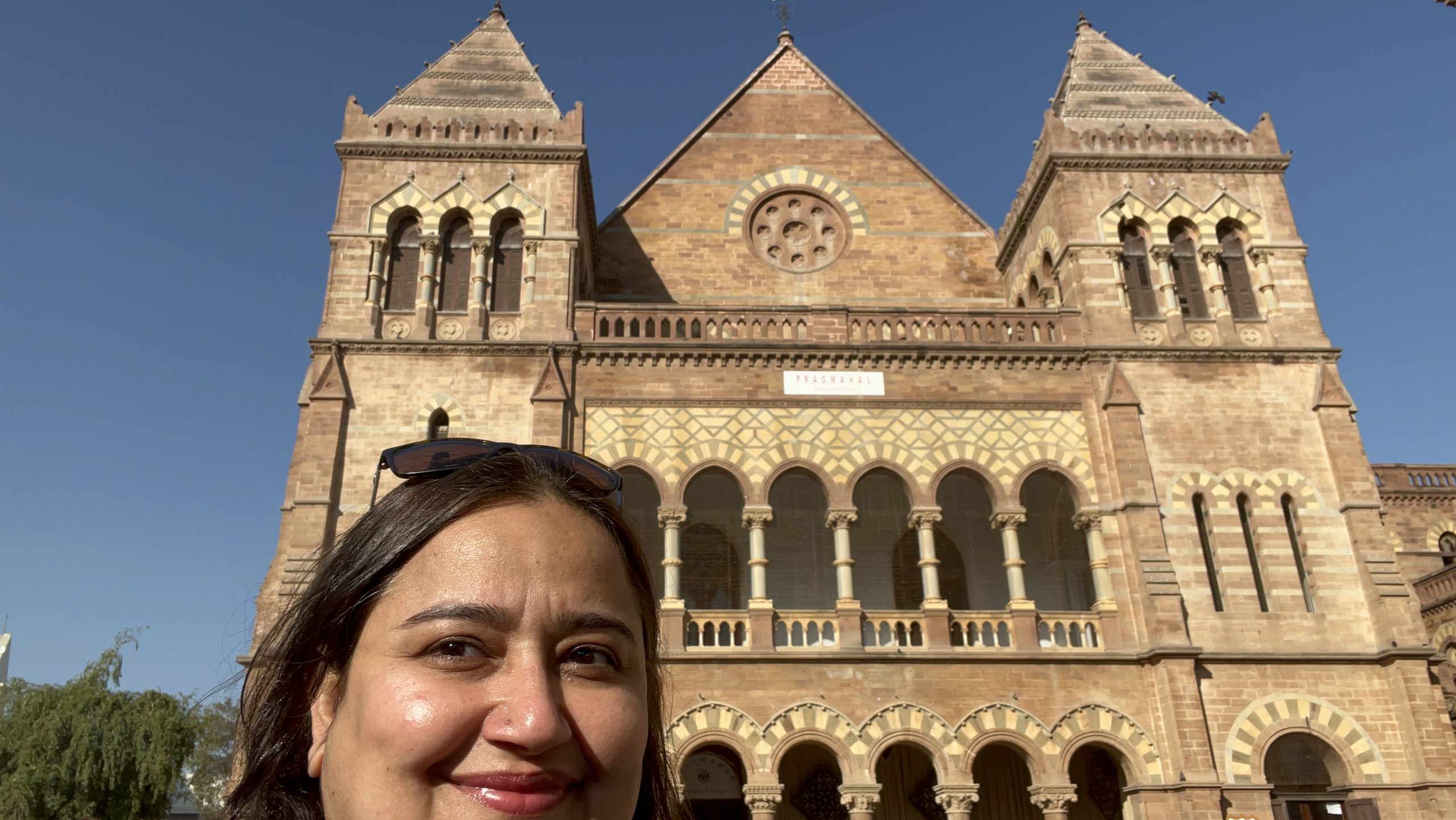
Celebration across the white desert
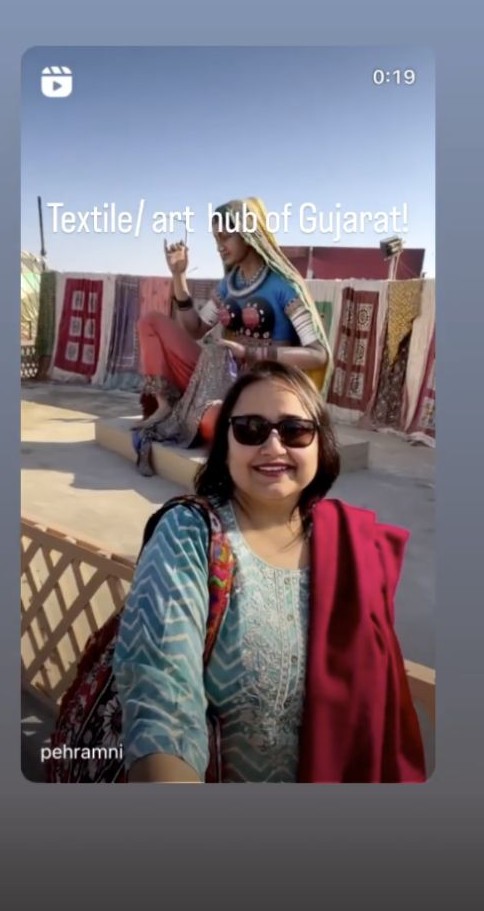
In December 2022, we travelled to Kutch and attended the Rann Utsav—a celebration where the landscape, music, textiles, food, and hospitality of the region come together. The white desert felt vast and quiet, while the festival around it was alive with colour and movement.
Everywhere we looked, craft was part of daily life. Embroidered clothing, woven textiles, painted surfaces, music, and handmade objects were not displayed as isolated traditions. They belonged to a larger story of place and community.
With the artisan families behind the work
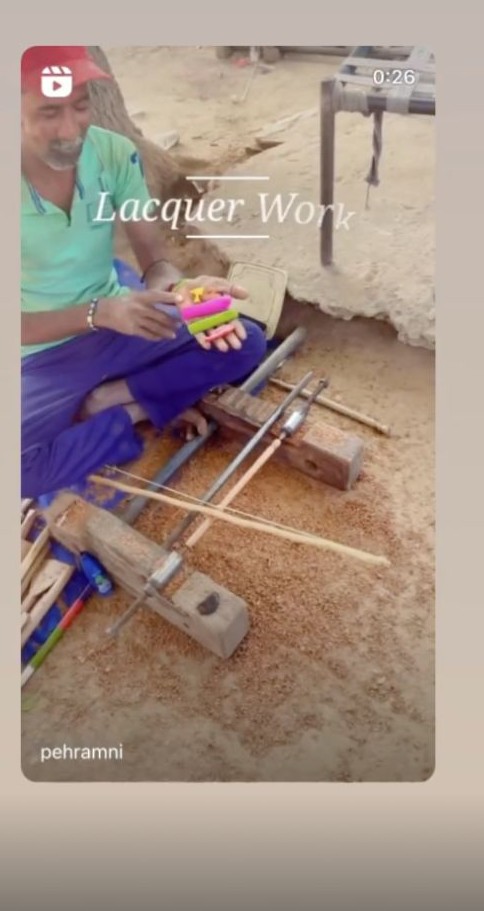
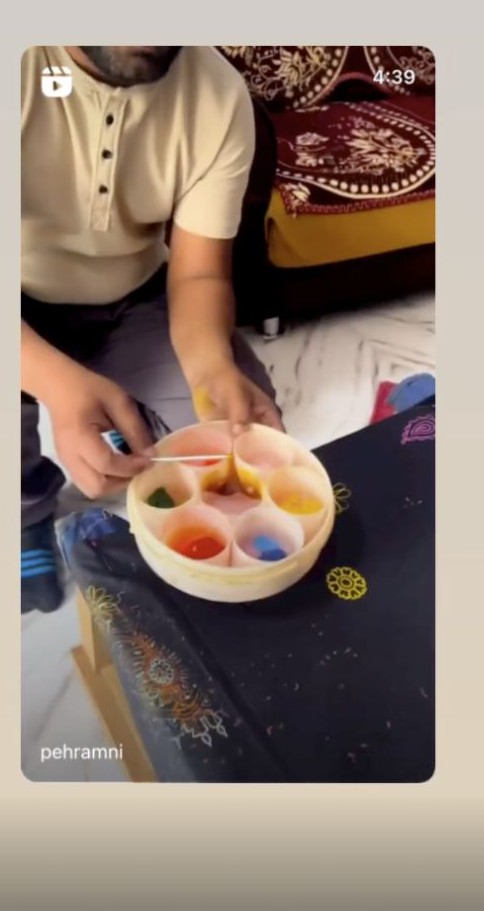
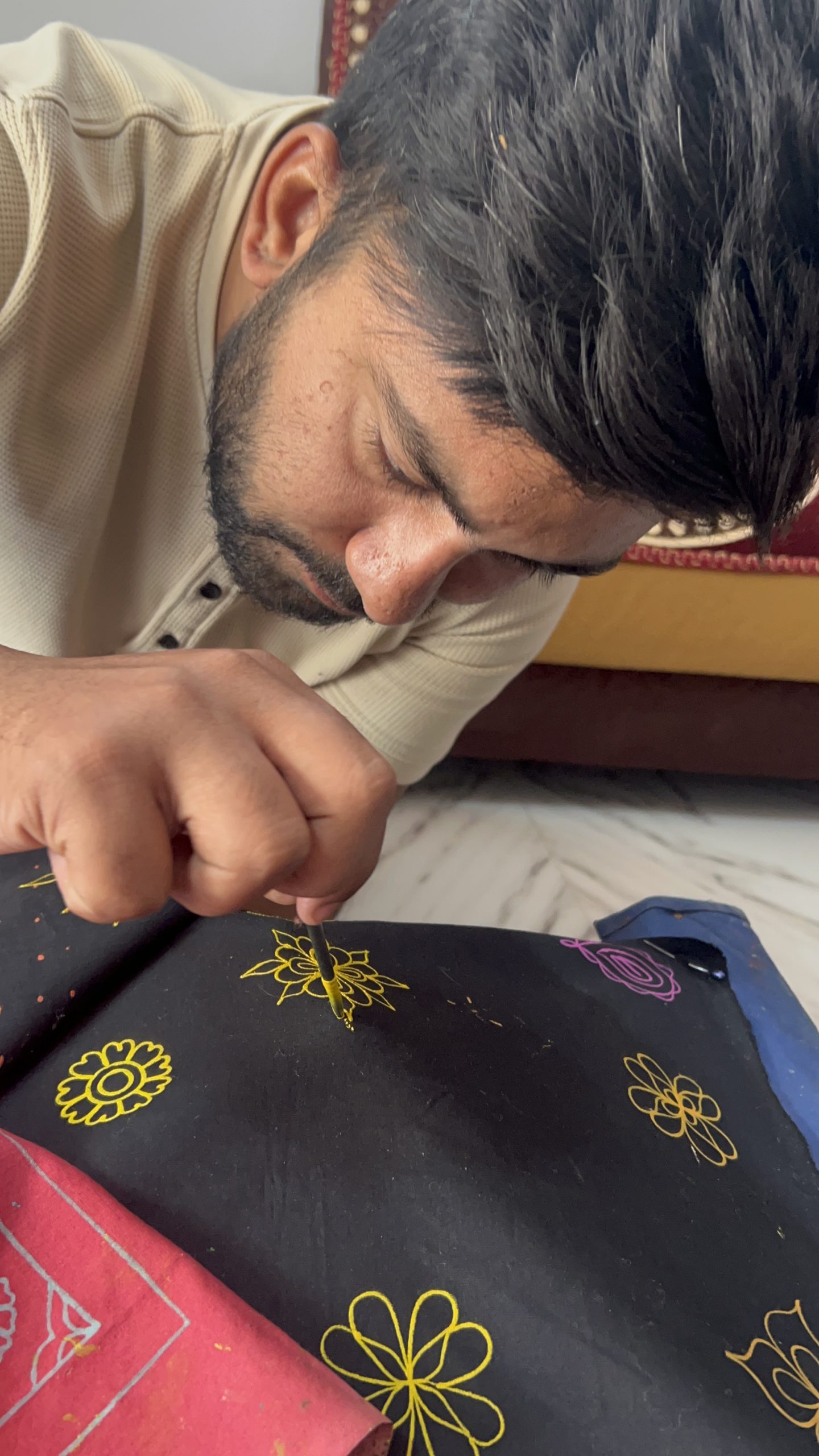
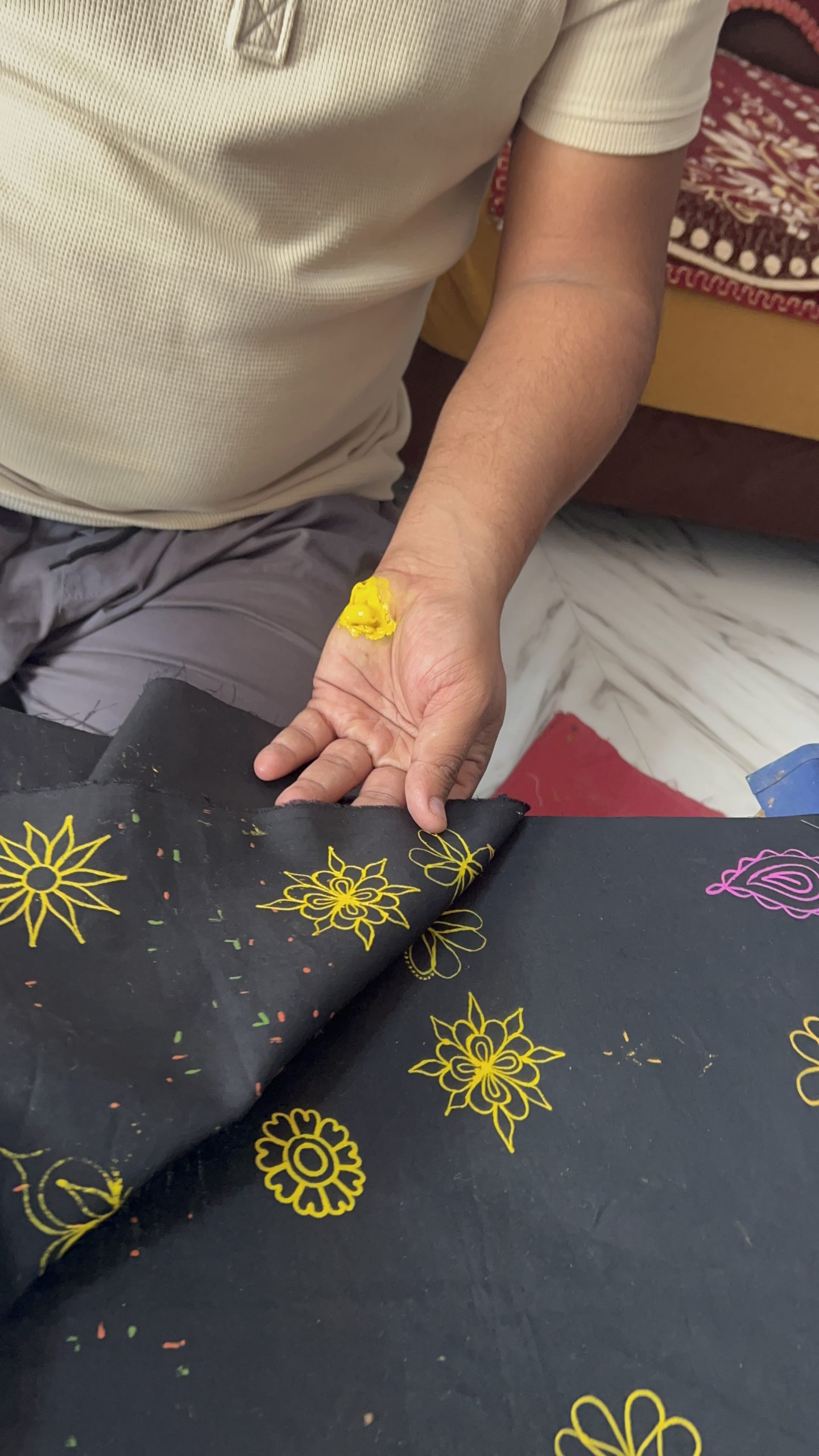
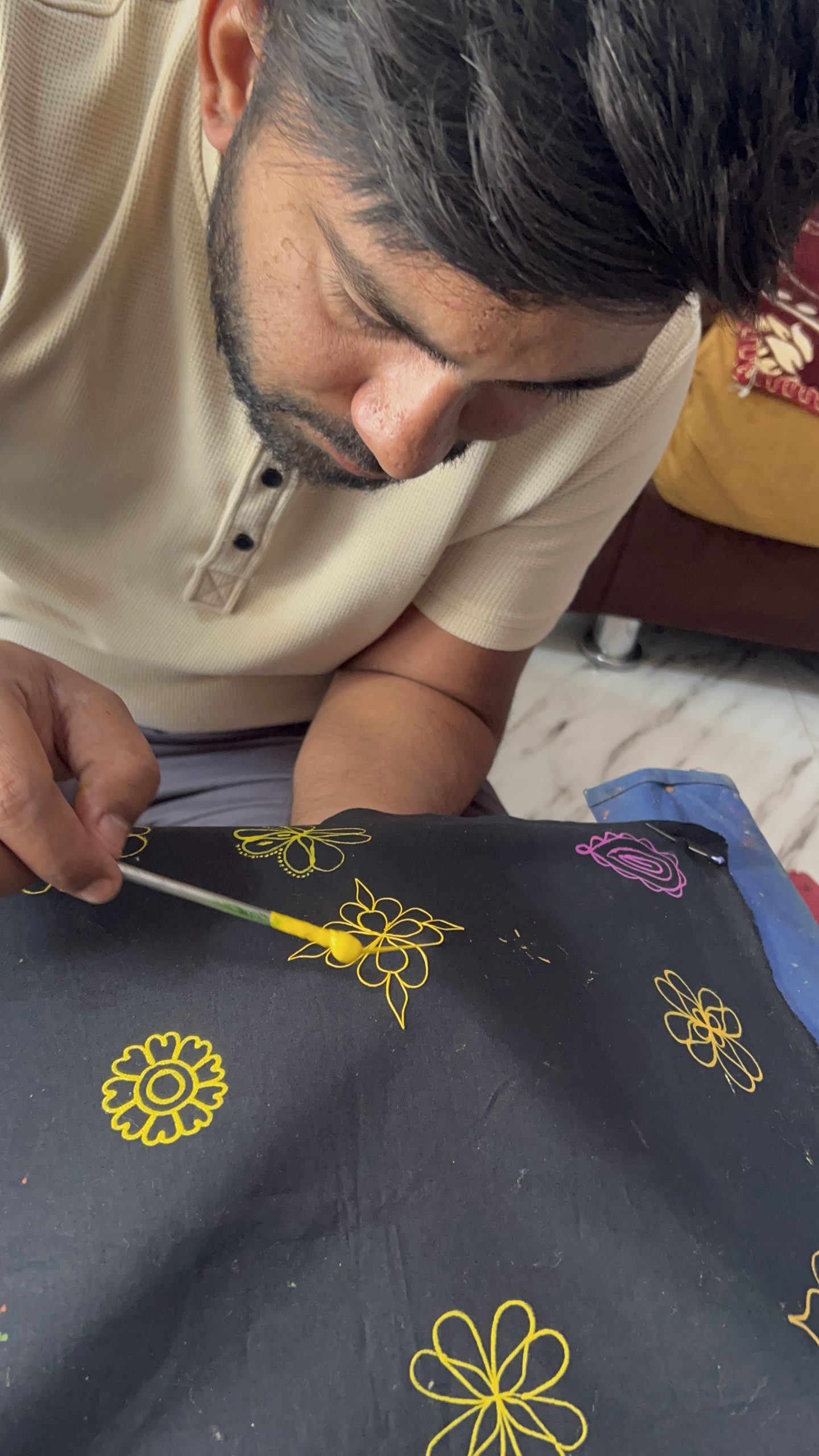
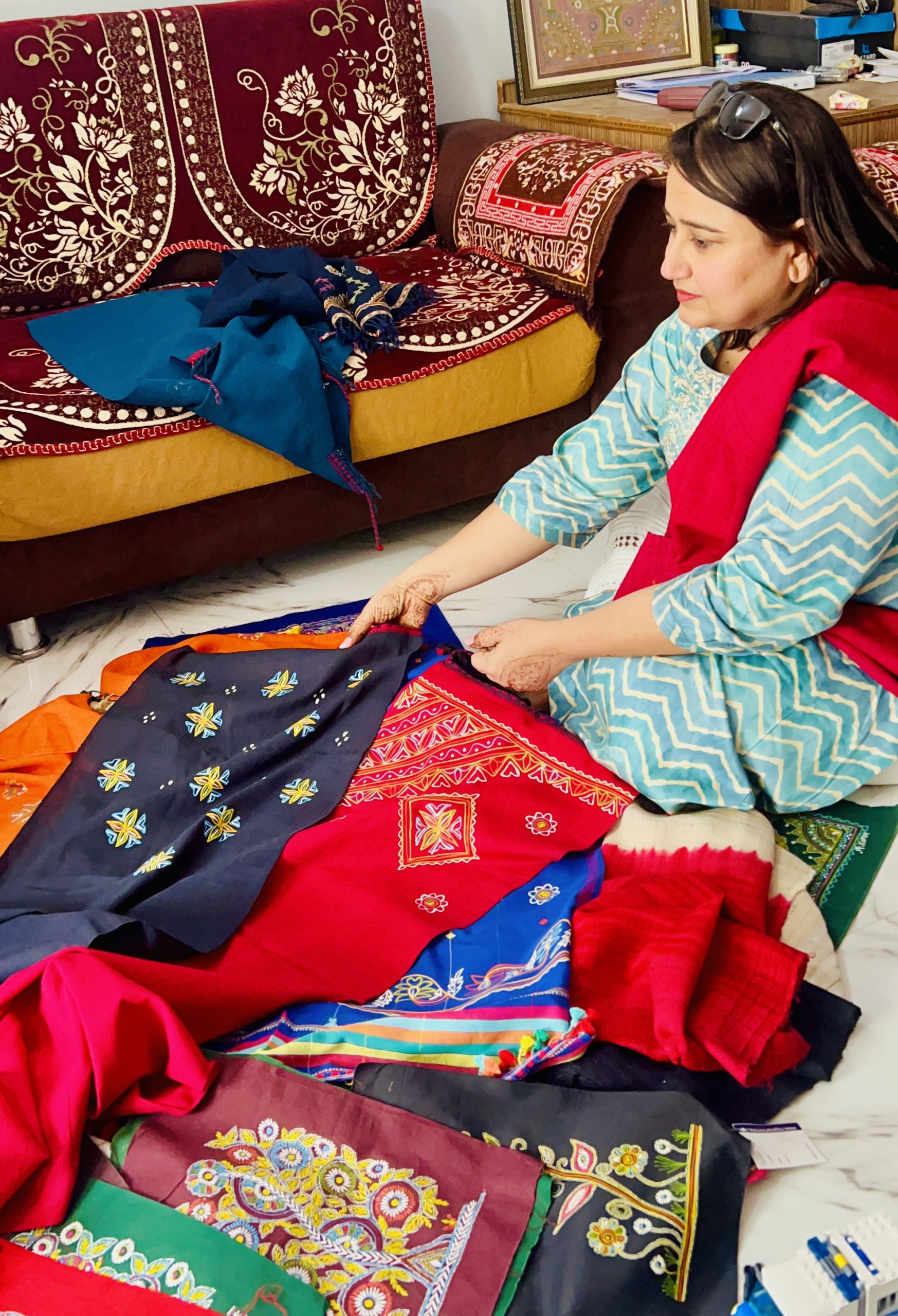
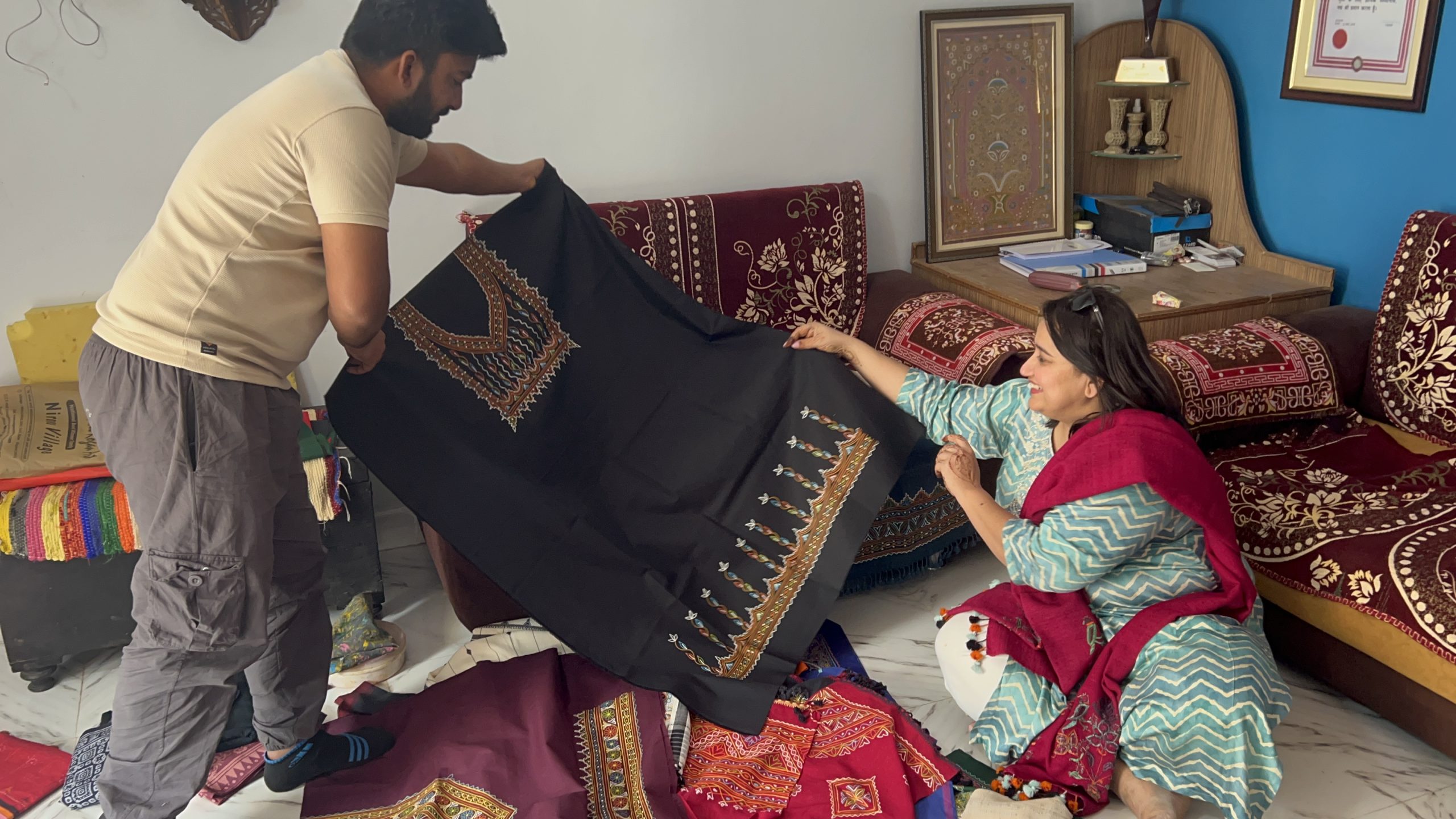
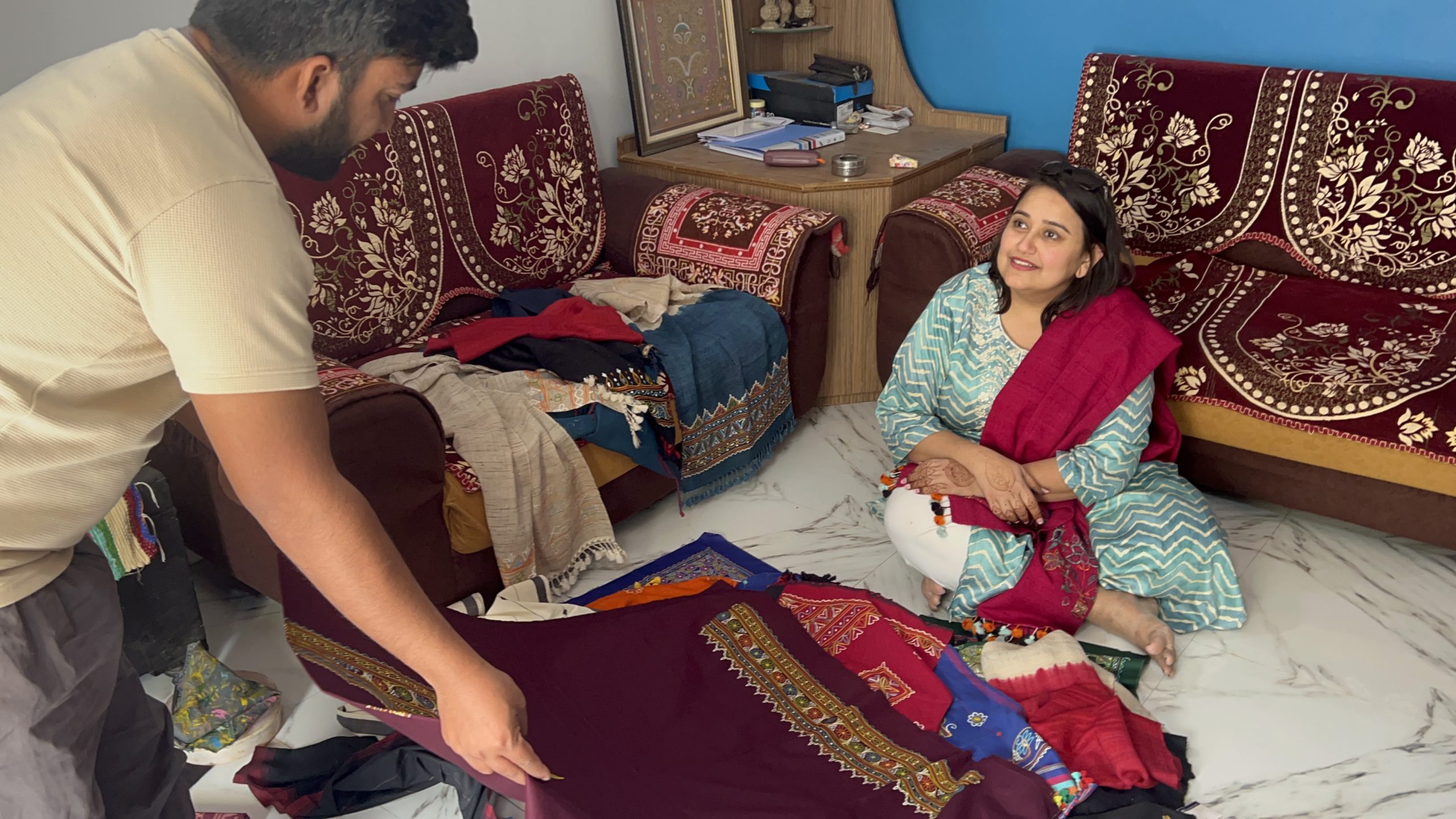
The most meaningful part of the journey was spending time with our artisan families. We sat together, watched hands move through familiar processes, asked questions, listened to family histories, and learned how knowledge travels from one generation to the next.
Seeing the work in its own environment changes the way we understand it. A finished textile may be beautiful, but time with its makers reveals the patience, judgement, problem-solving, and inherited skill held within every detail.
These relationships are not transactions. They grow through trust, conversation, repeated visits, shared meals, and a genuine respect for the people who keep these traditions alive.
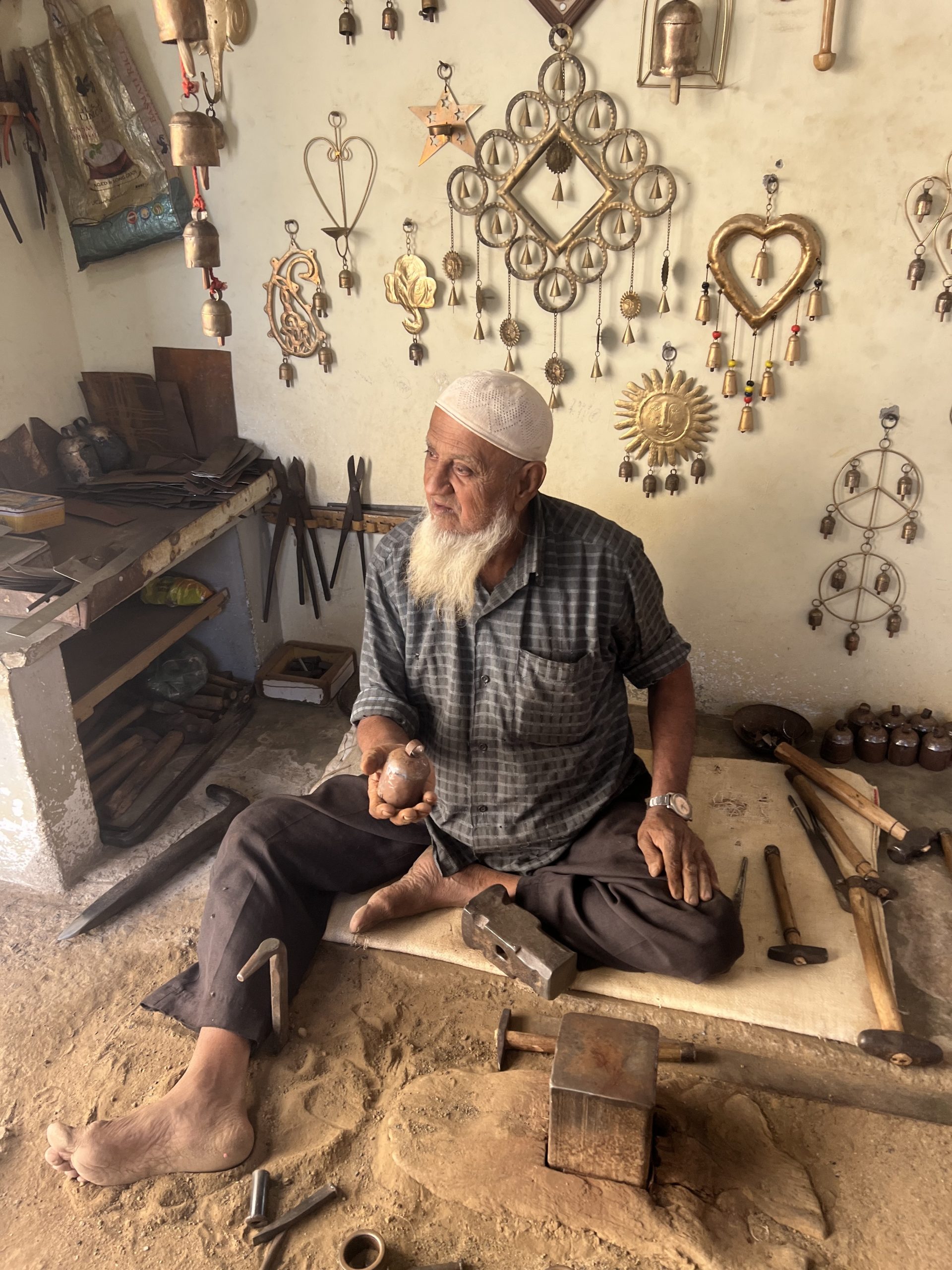
Learning by sitting beside the makers
The most meaningful lessons came from slowing down and watching skilled hands at work. Every stitch, motif, and material carried the patience of practice and the warmth of knowledge shared across generations.
Craft held in every detail
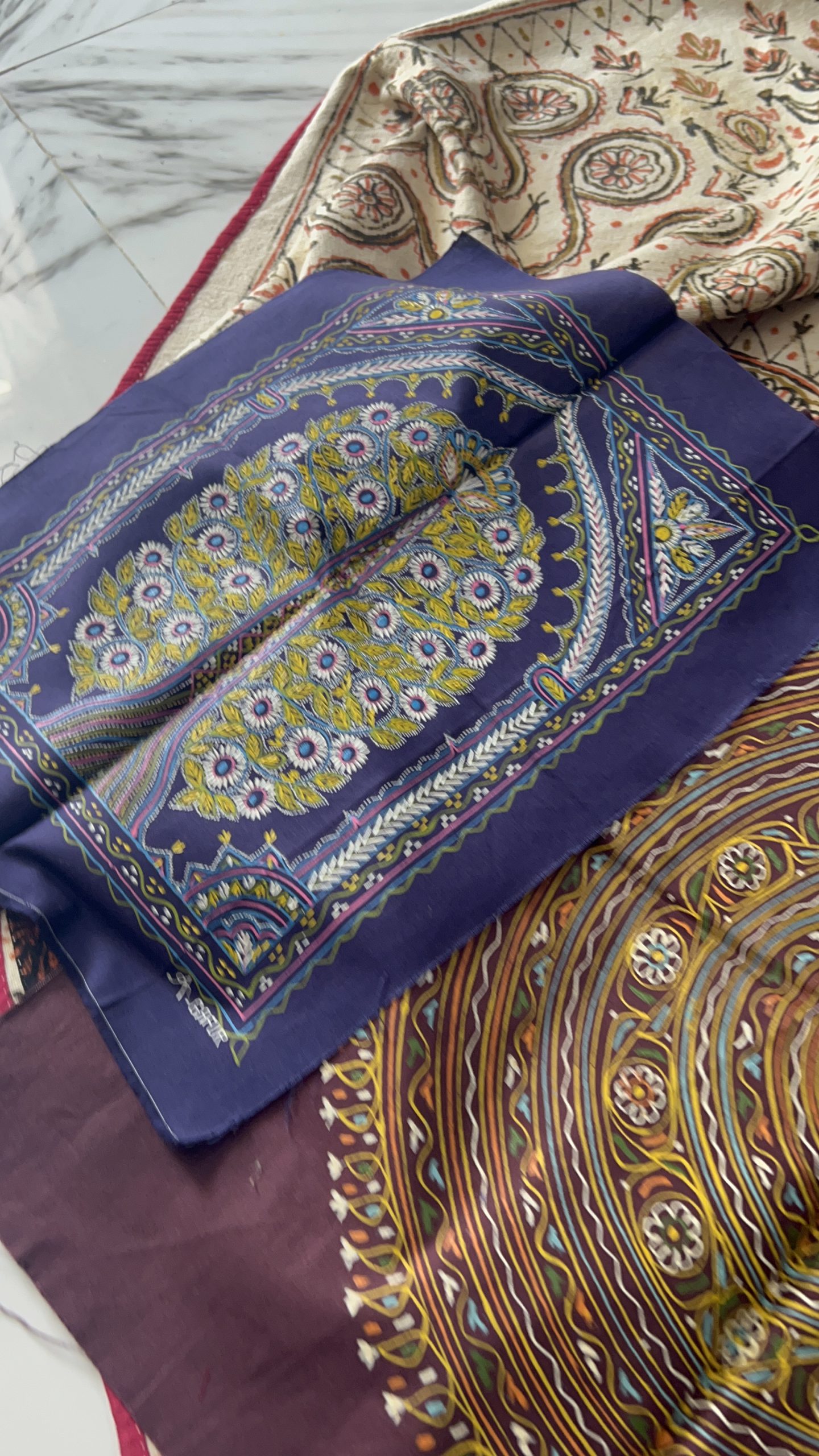
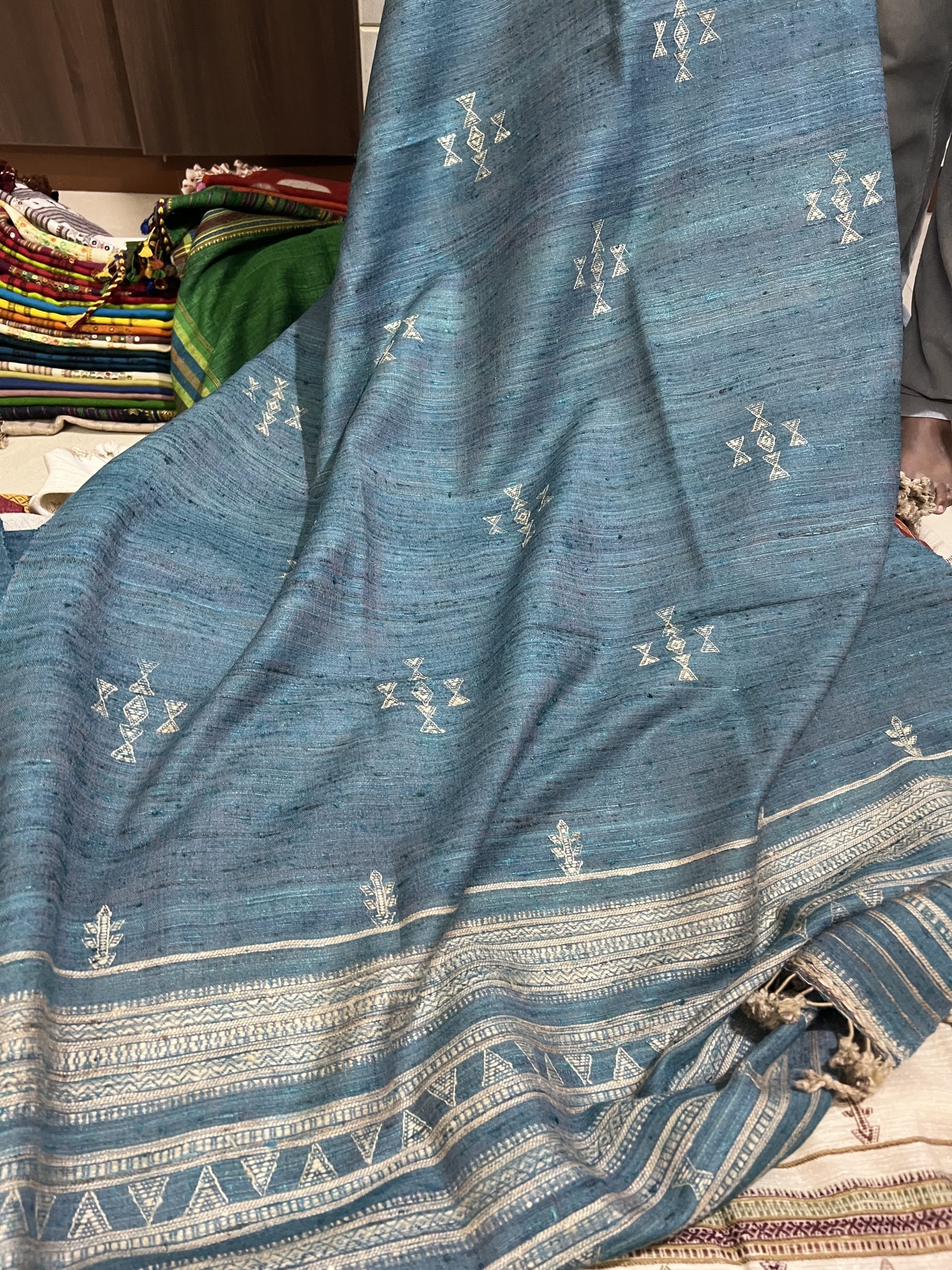
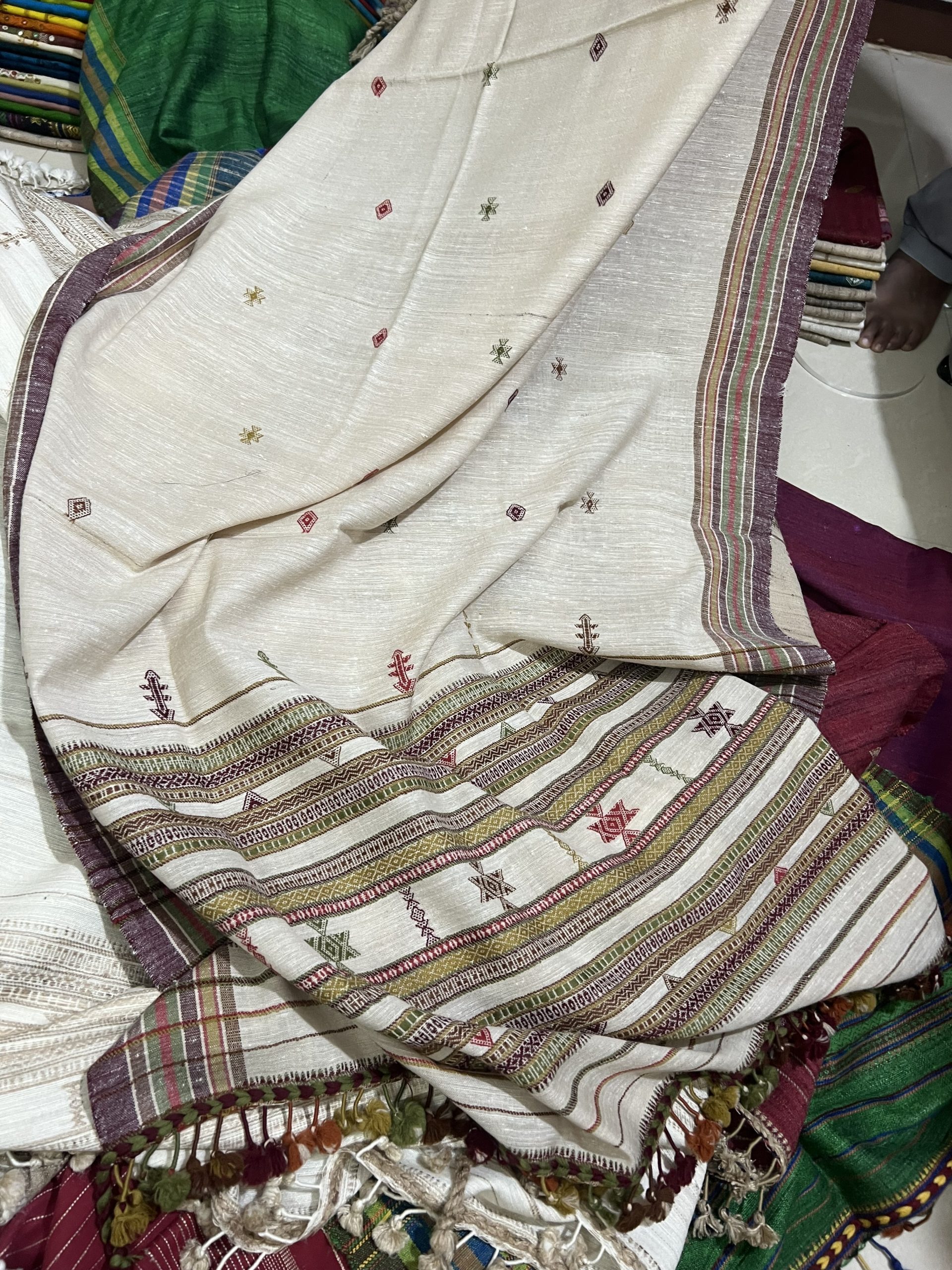
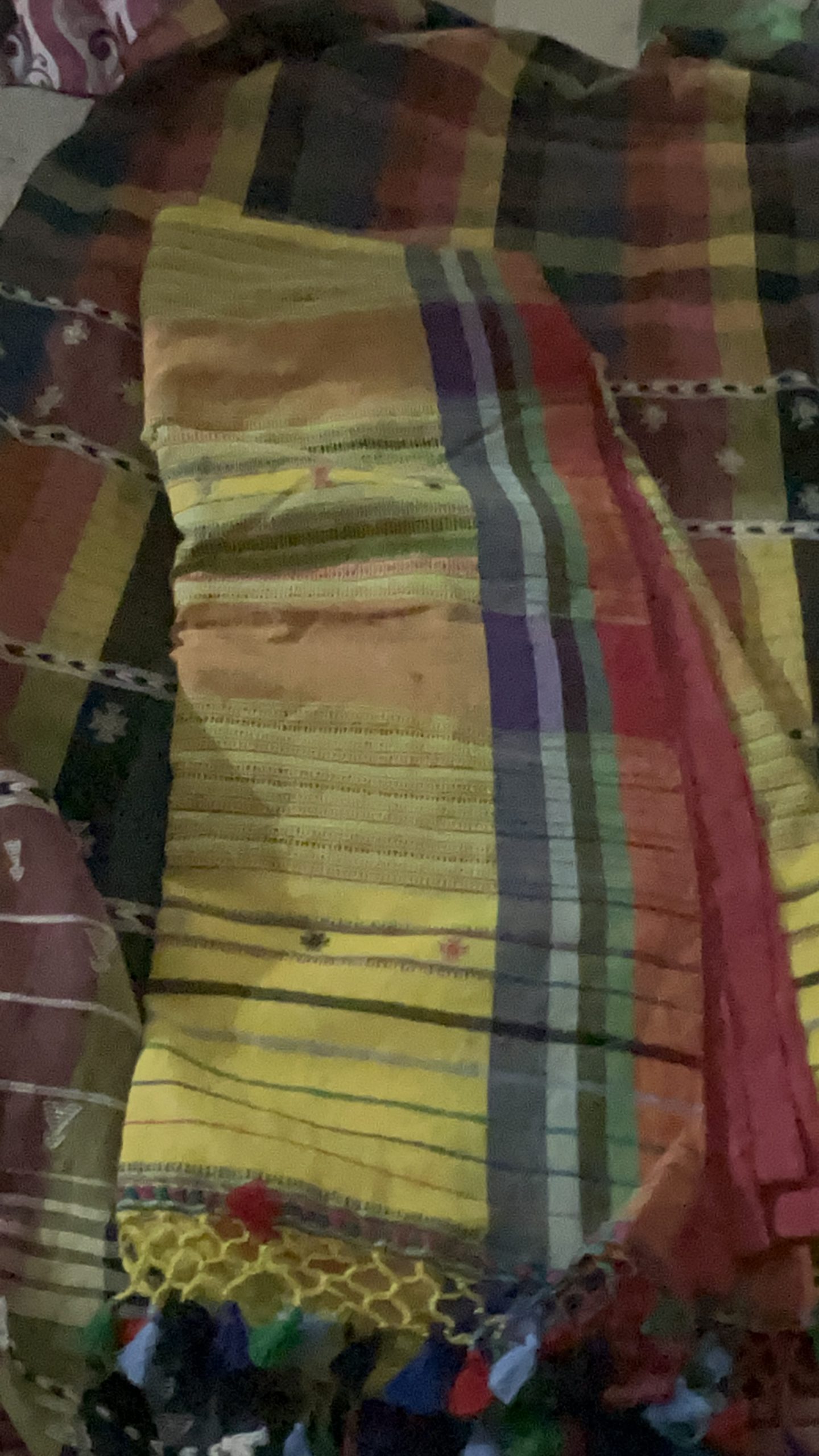
We returned to the textiles again and again—studying their texture, colour, construction, and the small details that make handmade work unmistakable.
Inside the artisan spaces
Being welcomed into homes and workshops made the journey personal. These were not simply places where objects were made, but spaces filled with memory, family, conversation, and pride.
What we carried home
We returned with photographs and memories, but also with a deeper responsibility. To share a craft well, we must understand the hands and lives behind it. To preserve heritage, we must create space for artisans to be seen, respected, and supported.
The journey strengthened the purpose of Pehramni: to bring the beauty of Kutch to new homes while staying rooted in relationships, learning, and gratitude.
“The greatest lessons came not from looking at the craft, but from sitting beside the people who make it.”
Watch: Learning with the artisans
Two moments from the journey—learning directly from the makers who keep these remarkable traditions alive.